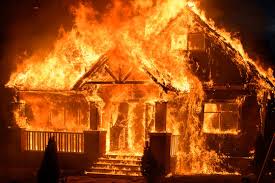
Sleepy Creek Fire Today: Firefighters are responding to a significant wildfire in the Sleepy Creek area of Colorado, where emergency crews are working to contain the blaze and protect nearby communities, structures, and natural resources. The incident has prompted a coordinated response involving local fire departments, state and federal wildland firefighting agencies, emergency management officials, and law enforcement as crews battle the fast-moving fire under challenging conditions.
According to preliminary reports, emergency dispatchers received calls reporting smoke and flames in the Sleepy Creek area, prompting an immediate response. Fire engines, brush trucks, hand crews, water tenders, bulldozers, and command personnel were dispatched to the scene, while additional resources, including helicopters and fixed-wing air tankers, were requested to support suppression efforts if conditions allowed.
Upon arrival, firefighters encountered an active vegetation fire burning through dry grasses, brush, and timber. Incident commanders quickly established an incident command post to coordinate ground and aerial operations, assess fire behavior, and determine the best strategy for protecting lives and property.
At the time of publication, officials have not confirmed the exact acreage of the fire, the percentage of containment, or the cause of the blaze. Wildfire conditions can change rapidly due to shifting winds, steep terrain, and low humidity, making it essential for firefighters to continually adapt their tactics throughout the operation.
Colorado’s wildfire season often presents difficult challenges for emergency responders. Dry vegetation, warm temperatures, and gusty winds can contribute to rapid fire growth, especially in rugged terrain where access is limited. Firefighters must carefully evaluate weather conditions while constructing containment lines and deploying resources to areas most at risk.
Ground crews are working to slow the fire’s spread using hand tools, hose lines, and heavy equipment. Bulldozers may be used where terrain permits to construct fire breaks by removing vegetation ahead of the advancing flames. These containment lines are designed to deprive the fire of fuel and help prevent it from spreading into nearby forests, grasslands, or residential areas.
Aircraft may play a critical role in suppression efforts. Helicopters equipped with water buckets can perform repeated water drops on hotspots and the fire’s leading edge, while fixed-wing air tankers may release fire retardant to slow the spread of flames and provide firefighters on the ground with additional opportunities to strengthen containment lines.
Emergency management officials are closely monitoring the incident and coordinating with fire personnel regarding potential evacuation needs. As of the latest available information, no mandatory evacuation orders have been officially confirmed. However, residents living near the affected area are encouraged to remain alert and monitor official emergency notifications in case conditions change.
Smoke generated by large wildfires can travel many miles beyond the immediate fire zone. Depending on wind direction, residents in surrounding communities may experience reduced visibility and declining air quality. Health officials generally recommend staying indoors, closing windows and doors, and limiting strenuous outdoor activity when smoke levels become elevated, particularly for children, older adults, and individuals with respiratory or cardiovascular conditions.
Law enforcement officers have responded alongside firefighters to assist with road closures, evacuations if necessary, and public safety. Temporary restrictions may be implemented on roads leading into the fire area to allow emergency vehicles unrestricted access and to reduce the risk to the public. Motorists are urged to obey road closure signs and avoid traveling into active wildfire zones.
Emergency medical services remain on standby throughout the incident to provide immediate treatment should firefighters or civilians require medical care. Authorities have not confirmed any injuries or fatalities related to the fire, and officials continue to prioritize the safety of both residents and emergency personnel.
Protecting homes and critical infrastructure is a key objective during any major wildfire. Firefighters may establish structure protection groups tasked with defending residences using engines, sprinkler systems, and fire-resistant barriers where necessary. Crews also monitor utility infrastructure and coordinate with utility providers if power lines or other services become threatened by advancing flames.
Once firefighters achieve greater containment, attention will shift toward extinguishing hotspots that could reignite under changing weather conditions. Overhaul operations often continue for days after visible flames have been controlled, with crews using thermal imaging equipment to locate hidden sources of heat beneath vegetation, tree roots, or fallen timber.